Climate Zones
Four climates. Each with its own engineering puzzles.
For the first time in the series, Transport Fever 3 ships a fully-featured sub-arctic region. Each climate has unique biomes, terrain types, and challenges that demand different routing and cargo strategies.
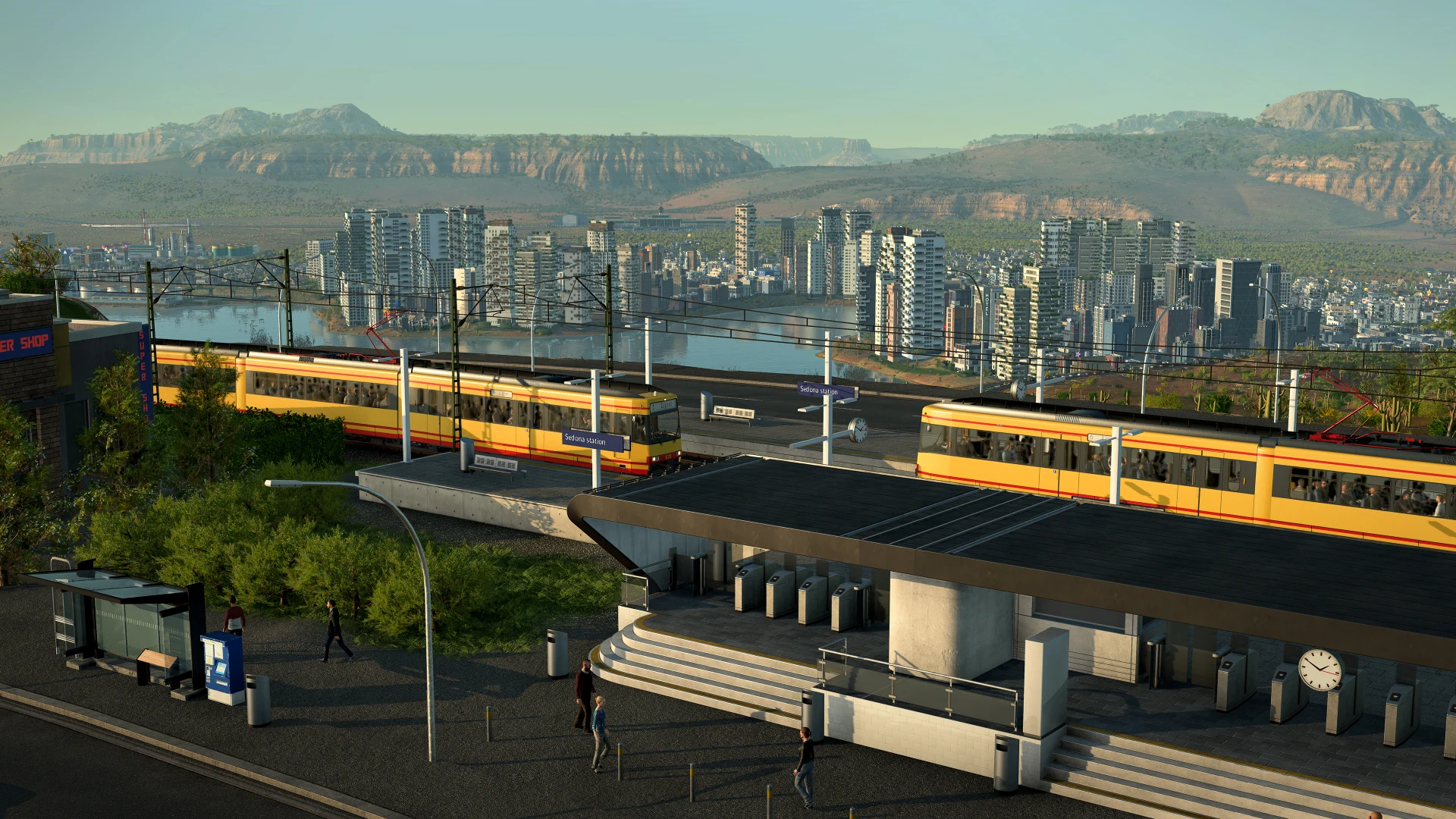
Temperate
The classic European/North American playground.
Temperate valleys and forests with rolling hills, mixed deciduous and coniferous forests, and moderate rainfall. This is the most accessible climate for new players.
Biomes
Challenges
- → Moderate traffic demand
- → Balanced cargo chains
- → Standard maintenance cycles
Wildlife
City with light railway — official TF3 press kit
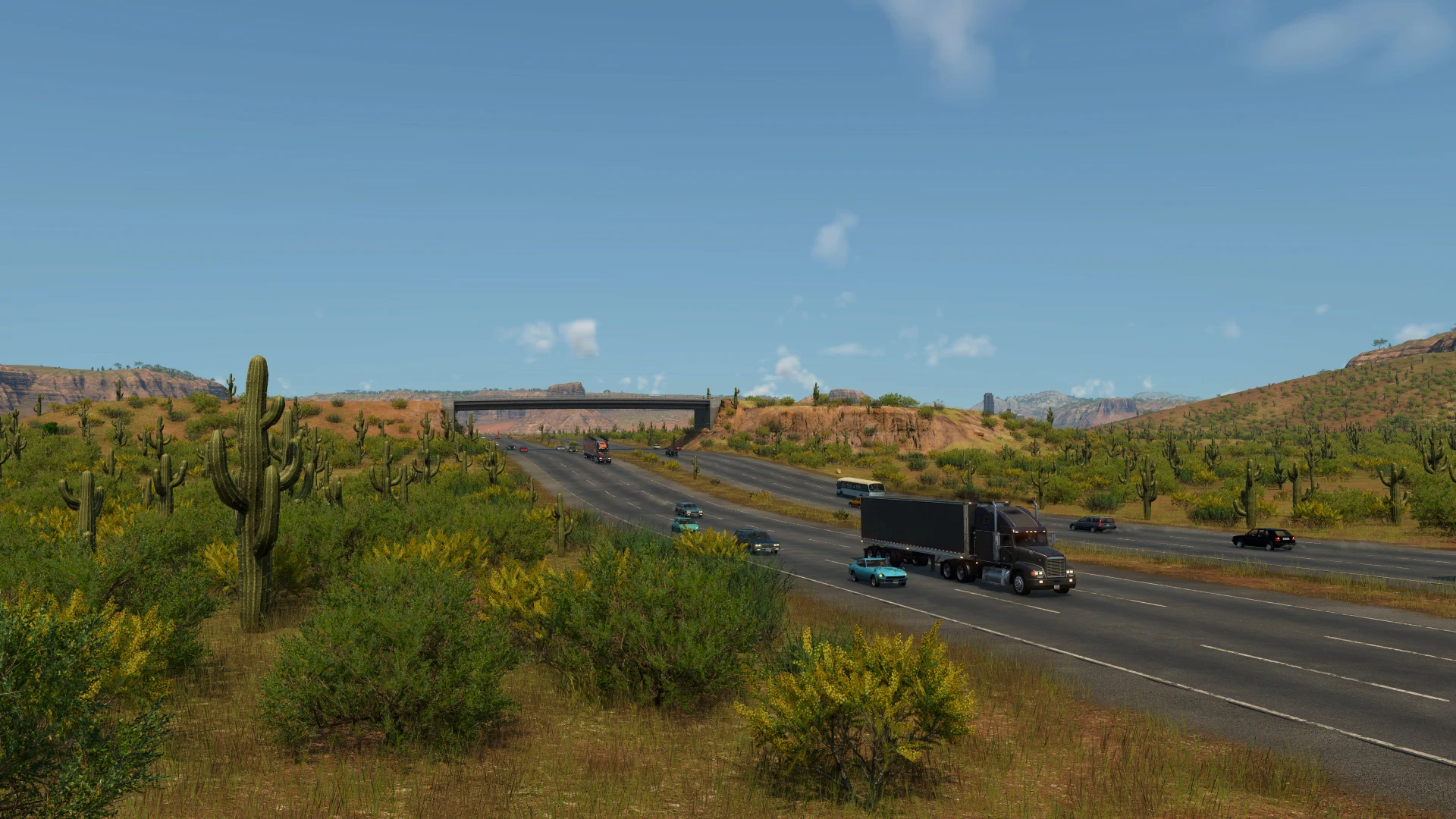
Desert
Arid plains with extreme heat and limited water.
Dry grasslands and rocky canyons with extreme temperature swings between day and night. Routes must consider water scarcity and longer distances between population centres.
Biomes
Challenges
- → Water supply for stations
- → Long-distance routes
- → Heat stress on vehicles
Wildlife
Desert highway — official TF3 press kit
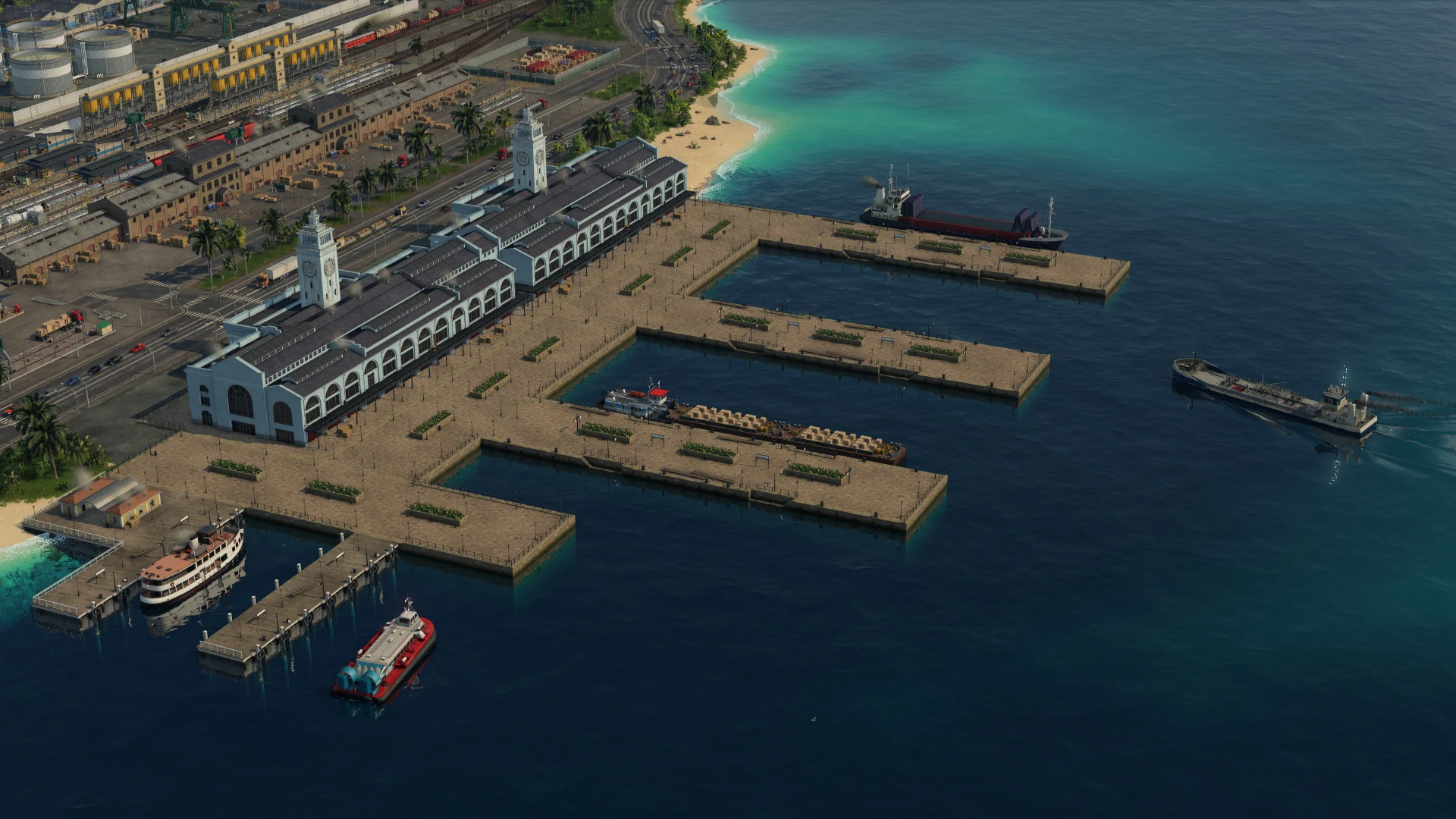
Tropical
Lush islands and dense jungle.
Tropical islands and jungle with high rainfall and dense vegetation. Volcanic island paradises appear in handcrafted maps. Coastlines make ferries and shipping viable.
Biomes
Challenges
- → Heavy rainfall
- → Dense vegetation obstacles
- → Maritime transport opportunities
Wildlife
Harbor scene — official TF3 press kit
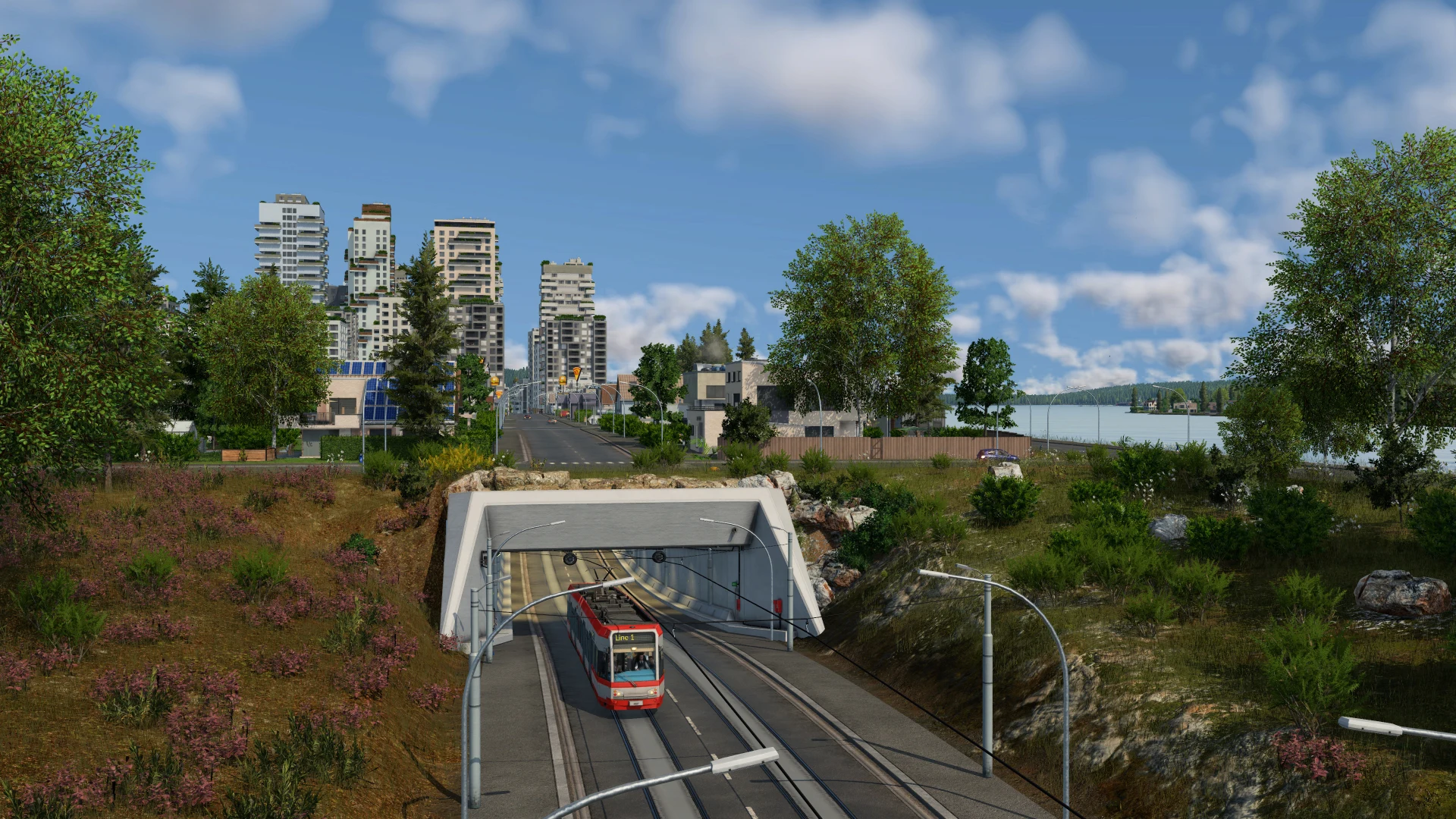
Sub-arctic
New for Transport Fever 3 — tundra, fjords, and frozen swamps.
Brand new to the series for TF3. Sub-arctic tundras and frozen swamps with dramatic fjords, scattered islands, and impassable mountain barriers. Requires careful route planning around permafrost.
Biomes
Challenges
- → Permafrost construction limits
- → Long winters
- → Limited agriculture
Wildlife
Light rail tunnel — official TF3 press kit